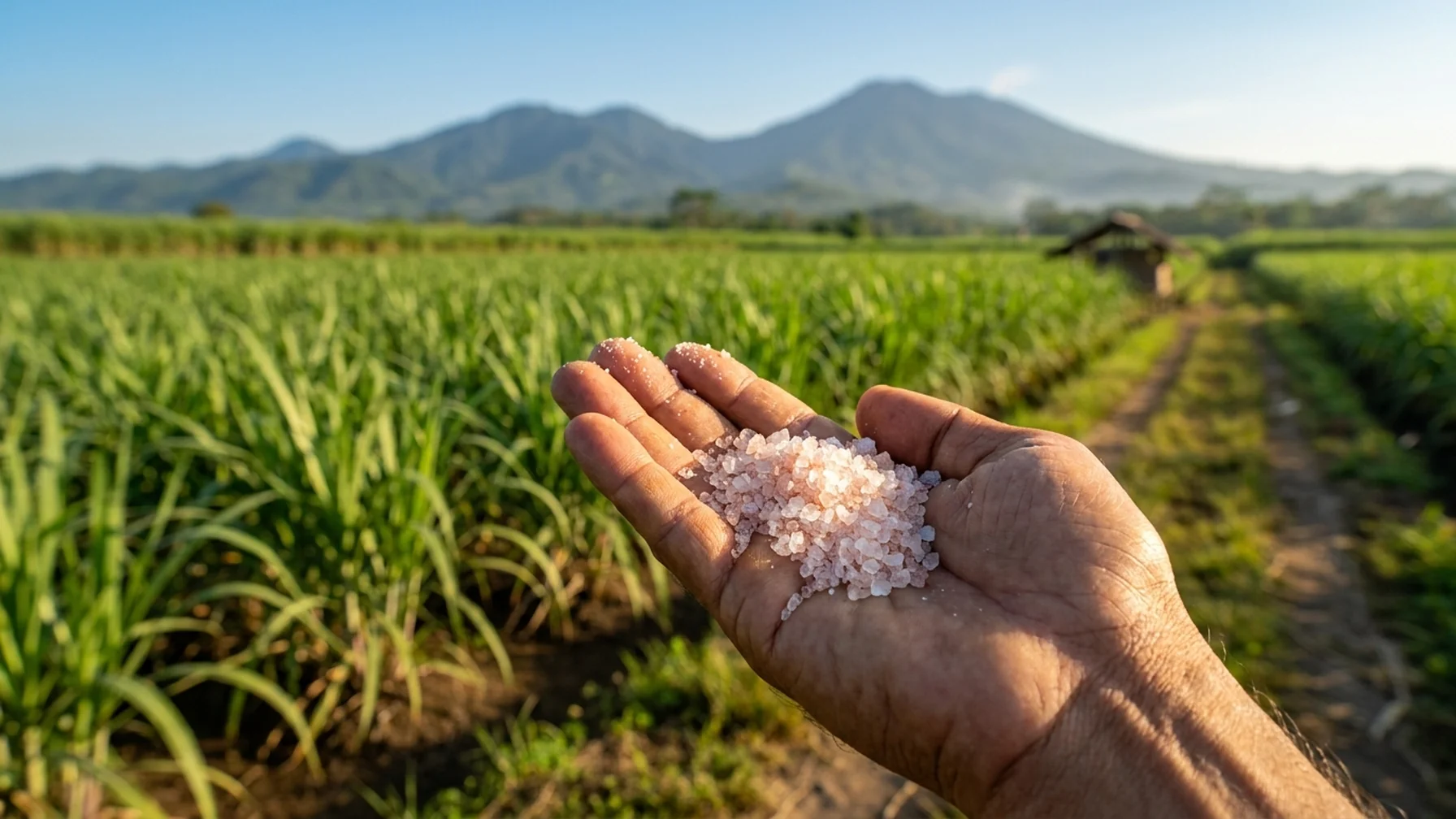
Methods to Increase Phosphorus in Soil for Optimal Crop Growth.

Article Structure
Boosting phosphorus levels in soil is crucial for healthy plant development and yields. Phosphorus is a key macronutrient that supports root growth, flower and seed production, and energy transfer in plants. Understanding how to effectively increase phosphorus in soil can make a significant difference in crop production. This article explores various methods and considerations for enhancing phosphorus levels in the soil, focusing on practical approaches, including the use of fertilizers and crop management techniques.
Understanding NPK Fertilizer for Phosphorus Enhancement
NPK fertilizer is a blend containing three essential nutrients: nitrogen (N), phosphorus (P), and potassium (K). These nutrients support plant growth in different ways. Phosphorus is critical for energy transfer and photosynthesis. In the context of increasing phosphorus in soil, using NPK fertilizers with a higher phosphorus ratio can be beneficial. Farmers should choose fertilizers with a balanced nutrient profile that matches their specific crop needs.
Urea vs NPK Fertilizer: Which to Choose?
Choosing between urea and NPK fertilizers depends on the specific nutrient needs of your soil. Consider the following points to make an informed decision:
- If the primary goal is to increase phosphorus in soil, select an NPK fertilizer with a higher phosphorus content.
- For soils needing additional nitrogen, consider blending urea with an appropriate NPK formulation for a comprehensive nutrient solution.
By addressing the specific nutrient requirements of your soil, you can maximize its fertility and support healthy plant growth.
Methods to Increase Phosphorus in Soil
Increasing phosphorus in soil is essential for promoting healthy plant growth and enhancing agricultural productivity. Here are some effective methods to achieve this:
- Conduct a soil test to determine phosphorus levels and identify deficiencies.
- Incorporate organic matter, such as compost or manure, which is rich in phosphorus.
- Use phosphorus-rich fertilizers, selecting those that are appropriate for the specific crops being grown.
- Practice crop rotation and intercropping to improve soil health and phosphorus availability.
- Avoid over-tilling, which can disrupt soil structure and limit phosphorus retention.
By following these steps, gardeners and farmers can effectively enhance the phosphorus content in their soil, leading to improved plant nutrition and overall yield.
Correct Application of Urea
When using urea, it's important to apply it correctly to maximize its effectiveness. Urea should be evenly distributed across the field and ideally incorporated into the soil to reduce nitrogen loss through volatilization. This practice ensures that plants can absorb the nutrients efficiently, complementing phosphorus enhancement efforts.
Utilizing Rock Phosphate in Agriculture
Rock phosphate is a natural mineral used to increase phosphorus levels in soil. It is particularly useful in organic farming as it releases phosphorus slowly, providing a long-term nutrient supply. Integrating rock phosphate into soil amendment practices can enhance soil fertility sustainably.
Fertilizer Selection Table
The following table summarizes key considerations when selecting fertilizers to enhance phosphorus levels:
| Fertilizer Type | Advantages | Considerations |
|---|---|---|
| NPK Fertilizer | Balanced nutrient supply | Check phosphorus ratio |
| Urea | High nitrogen content | Combine with phosphorus-rich sources |
| Rock Phosphate | Slow release, organic | Best for long-term use |
Selecting the right type of fertilizer involves weighing the benefits and considerations of each option. Tailoring the choice to specific soil and crop needs can optimize phosphorus application.
Benefits of Borate in Agriculture
Borate is a micronutrient that supports plant growth by facilitating cell wall formation and reproductive development. While not directly related to phosphorus, adequate borate levels enhance overall nutrient uptake, including phosphorus, contributing to healthier crops.
Choosing the Right Fertilizer
Selecting the appropriate fertilizer involves considering the specific nutrient requirements of the crop, existing soil nutrient levels, and growth stages. Soil testing is an essential step to determine phosphorus deficiencies and choose fertilizers that address these gaps effectively.
Organic vs Chemical Fertilizers: Pros and Cons
Organic fertilizers, like compost and manure, release nutrients slowly and improve soil structure. Chemical fertilizers offer immediate nutrient availability but can lead to soil acidity over time. Balancing both types can optimize phosphorus levels while maintaining soil health.
Recognizing Signs of Nutrient Deficiency in Plants
Phosphorus deficiency in plants often manifests as stunted growth, dark green leaves, and delayed maturity. Regular monitoring and soil testing can help in early detection and correction of these deficiencies before they impact crop yields significantly.
Improving Soil Fertility
Beyond adding phosphorus, improving soil fertility involves maintaining a balance of macronutrients and micronutrients. Practices such as crop rotation, cover cropping, and organic matter addition can enhance overall soil health and nutrient availability.
Understanding KCL Fertilizer
KCL (potassium chloride) fertilizer provides potassium, another crucial macronutrient. While not directly related to phosphorus, maintaining adequate potassium levels supports the effective use of phosphorus in plant metabolic processes.
Best Fertilizer Practices for Palm Oil
Palm oil cultivation requires specific nutrient management. A balanced NPK fertilizer with sufficient phosphorus ensures robust root development and fruit production in palm oil trees. Tailoring fertilizer applications to the growth stages of palm trees optimizes nutrient uptake.
Determining Fertilization Frequency
The frequency of fertilization depends on the crop type, growth stage, and soil conditions. Over-fertilization can lead to nutrient runoff and environmental harm, while insufficient application fails to address nutrient deficiencies. Regular soil testing aids in developing a precise fertilization schedule.
Explaining Foliar Fertilizer Application
Foliar fertilizers are applied directly to plant leaves, allowing for rapid nutrient absorption. They are an effective supplement when soil conditions limit nutrient uptake, ensuring that phosphorus and other nutrients reach the plants quickly.
Macronutrients vs Micronutrients in Plant Nutrition
Macronutrients, including phosphorus, are needed in larger quantities for plant growth. Micronutrients, though required in smaller amounts, are vital for plant health. A balanced approach ensures that both macro and micronutrient needs are met.
Interpreting Fertilizer Labels
Understanding fertilizer labels is crucial for proper application. Labels indicate the nutrient content and recommended usage rates, helping farmers apply the correct amount of phosphorus and other nutrients according to crop needs.
Causes of Soil Acidity
Soil acidity can affect phosphorus availability. Common causes include excessive use of nitrogen fertilizers and natural soil processes. Liming can neutralize acidity, improving phosphorus uptake by plants.
Safe Use of Pesticides in Agriculture
While pesticides are not directly related to phosphorus, their safe use is crucial for sustainable farming. Integrated pest management combines chemical and biological control methods to minimize pesticide impact on soil health.
Basics of Integrated Pest Management (IPM)
IPM focuses on sustainable pest control, integrating cultural, biological, and chemical methods. By maintaining pest populations at manageable levels, IPM supports overall plant health, indirectly aiding phosphorus uptake by reducing pest stress on plants.
Optimal Timing for Fertilizer Application
Timing fertilizer applications to match crop growth stages ensures efficient nutrient use. Applying phosphorus during early growth stages maximizes root development, setting a strong foundation for subsequent plant growth.
Impact of Fertilizer on Crop Yield
Proper phosphorus management can significantly affect crop yield. By ensuring adequate phosphorus levels, plants develop stronger roots and better fruiting capabilities, leading to increased productivity.
Understanding Soil pH and Its Importance
Soil pH affects nutrient availability, including phosphorus. Maintaining a neutral pH optimizes nutrient absorption. Regular pH testing and adjustment can prevent nutrient lockout and support healthy plant growth.
Common Mistakes in Fertilizer Application
Over-application, incorrect timing, and using inappropriate fertilizers are common mistakes. These practices can harm plant growth and soil health. Adhering to recommended guidelines and conducting soil tests are essential for effective nutrient management.