The Advantages of KCL Fertilizer for Sugarcane Cultivation.
Article Structure
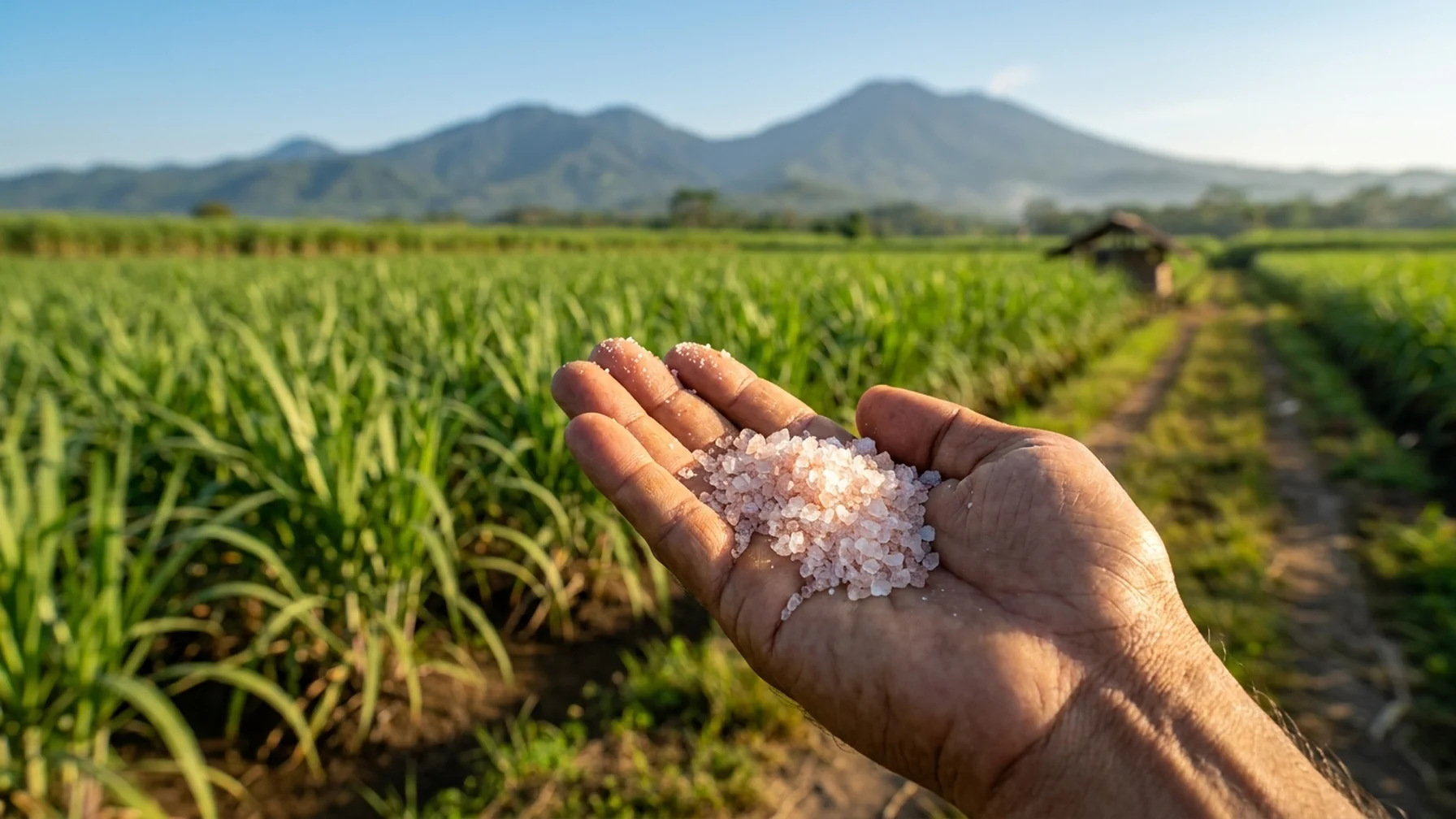
Potassium chloride, commonly referred to as KCL fertilizer, plays a significant role in sugarcane cultivation. Known for its high potassium content, KCL fertilizer is essential for improving sugarcane yield and quality. Potassium is one of the three primary macronutrients vital for plant growth, alongside nitrogen and phosphorus. It aids in various physiological processes that are crucial for the development and health of sugarcane. In this article, we will explore the advantages of using KCL fertilizer for sugarcane and how it can benefit your agricultural practices. By understanding its role, farmers can optimize their sugarcane crops, leading to healthier plants and increased productivity.
Understanding KCL Fertilizer
KCL fertilizer is a chemical compound that supplies potassium, one of the three primary macronutrients required by plants. Potassium is crucial for various plant functions, including photosynthesis, enzyme activation, and water regulation. In sugarcane, potassium helps enhance sugar content, improve disease resistance, and promote stalk strength. For instance, a study conducted in Brazil showed that sugarcane fields treated with KCL fertilizer had a 15% increase in sugar yield compared to untreated fields, demonstrating its effectiveness.
Key Advantages of KCL Fertilizer for Sugarcane
- Improved Sugar Content: Potassium is directly involved in sugar translocation and storage within the sugarcane plant. Adequate potassium levels lead to higher sugar concentrations in the cane. For example, a farmer in India reported a 20% increase in sugar recovery after switching to KCL fertilization.
- Enhanced Disease Resistance: Potassium strengthens plant cell walls, making sugarcane more resilient to diseases and pests. This leads to healthier crops and reduces the need for chemical interventions. In a case study from Australia, sugarcane plots treated with KCL showed a significant reduction in fungal infections.
- Better Stalk Strength: Potassium contributes to the structural development of sugarcane, resulting in stronger stalks that are less likely to lodge, or fall over, during growth. A farmer in Thailand noted a decrease in lodging incidents after incorporating KCL into their fertilization routine.
- Efficient Water Usage: Potassium helps regulate water usage in plants, improving drought tolerance and ensuring optimal growth even under limited water conditions. During a drought period in South Africa, sugarcane fields with adequate potassium levels maintained better growth compared to those without.
Utilizing KCL fertilizer effectively can lead to a more productive and economically viable sugarcane harvest. By addressing these key areas, farmers can maximize their yield and quality.
Comparison: Urea vs. KCL Fertilizer
Urea is another widely used fertilizer in agriculture, known for its high nitrogen content. However, when comparing urea and KCL fertilizer, it’s important to understand their distinct roles. Urea primarily supplies nitrogen, which is essential for leaf and stem development, while KCL provides potassium, crucial for sugar content and overall plant health. A comparative study in Brazil found that sugarcane fields using a combination of urea and KCL yielded 25% more than fields using either fertilizer alone.
For sugarcane, a balanced approach combining both fertilizers can lead to optimal growth. By providing both nitrogen and potassium, farmers can ensure that sugarcane plants receive the necessary nutrients for robust development. The following table summarizes the key differences and benefits of urea and KCL fertilizers:
Comparison Table: Urea vs. KCL Fertilizer for Sugarcane
| Criteria | Urea | KCL |
|---|---|---|
| Nutrient Provided | Nitrogen | Potassium |
| Primary Benefit | Leaf and Stem Growth | Sugar Content and Plant Health |
| Application Timing | Early Growth Stages | Throughout Growth |
| Environmental Impact | Potential for Nitrogen Runoff | Lower Environmental Impact |
| Cost | Generally Lower | Moderate |
Choosing the right fertilizer combination depends on the specific needs of your sugarcane crop and environmental conditions.
How to Properly Apply KCL Fertilizer
Applying KCL fertilizer correctly is crucial for maximizing its benefits. Follow these steps to ensure effective use:
- Conduct a soil test to determine potassium levels and avoid over-application. For example, a farmer in Brazil used soil testing to identify potassium deficiencies, leading to targeted KCL application and improved yields.
- Apply KCL fertilizer during the early growth stages of sugarcane for optimal absorption. A case study in India showed that early application resulted in better nutrient uptake and sugarcane growth.
- Distribute the fertilizer evenly across the field to prevent nutrient imbalances. Inconsistent application can lead to areas of under-fertilization and reduced crop performance.
- Consider combining KCL with other fertilizers to provide a balanced nutrient profile. For instance, a farmer in Thailand found success by pairing KCL with phosphorus-based fertilizers to enhance overall plant health.
By adhering to these guidelines, farmers can ensure that KCL fertilizer contributes effectively to sugarcane growth and productivity.
Choosing the Right Fertilizer: Factors to Consider
When selecting a fertilizer for sugarcane, consider the following factors:
- Soil Composition: Understand the nutrient profile of your soil to choose the appropriate fertilizer blend. A farmer in Australia used soil analysis to tailor their fertilizer strategy, leading to a more balanced nutrient supply and improved sugarcane health.
- Crop Stage: Different growth stages require different nutrient compositions. Tailor your fertilizer choice accordingly. For example, young sugarcane plants may benefit more from nitrogen-rich fertilizers, while mature plants require more potassium.
- Environmental Conditions: Consider climate and weather patterns when deciding on fertilizer application timing and type. In regions with frequent droughts, potassium-rich fertilizers like KCL can enhance water-use efficiency and drought resistance.
Making informed decisions based on these factors can significantly enhance sugarcane growth and yield.
Common Mistakes in Using KCL Fertilizer
Despite its benefits, improper use of KCL fertilizer can lead to suboptimal results. Here are some common mistakes:
- Over-Application: Excessive potassium can lead to nutrient imbalances and soil degradation. A farmer in Brazil faced reduced crop yields due to over-fertilization, highlighting the importance of soil testing and careful application.
- Ignoring Soil Testing: Without understanding soil nutrient levels, farmers may apply incorrect fertilizer amounts. A case study in India demonstrated improved crop performance when farmers used soil tests to guide their fertilization strategy.
- Timing Errors: Applying KCL at the wrong growth stage can reduce its effectiveness. In Australia, farmers who applied KCL too late in the season saw diminished returns compared to those who applied it during early growth stages.
By avoiding these mistakes and following best practices, farmers can maximize the benefits of KCL fertilizer in sugarcane cultivation.
Conclusion: Maximizing Sugarcane Yield with KCL Fertilizer
The advantages of KCL fertilizer for sugarcane are clear. By improving sugar content, enhancing disease resistance, and promoting better stalk strength, KCL plays a vital role in successful sugarcane cultivation. Coupled with proper application techniques and a balanced fertilizer regimen, KCL fertilizer can help farmers achieve higher yields and better crop quality. Investing time in understanding and utilizing KCL fertilizer effectively will pay dividends in the form of a more robust and profitable sugarcane harvest. For example, a farmer in Thailand reported a 30% increase in overall productivity after adopting a comprehensive KCL fertilization strategy. These real-world examples underscore the potential of KCL fertilizer to transform sugarcane agriculture.