
Unveiling the Roots: The Dynamics of Agricultural Inputs Distribution in Indonesia

The Backbone of Indonesian Agriculture
The agricultural inputs distribution sector in Indonesia plays a crucial role in ensuring food security and agricultural productivity. As the nation grapples with the demands of a growing population and changing climatic conditions, understanding the distribution of fertilizers and crop protection solutions becomes imperative.
The Landscape of Agricultural Inputs
Fertilizers: The Essential Nutrients
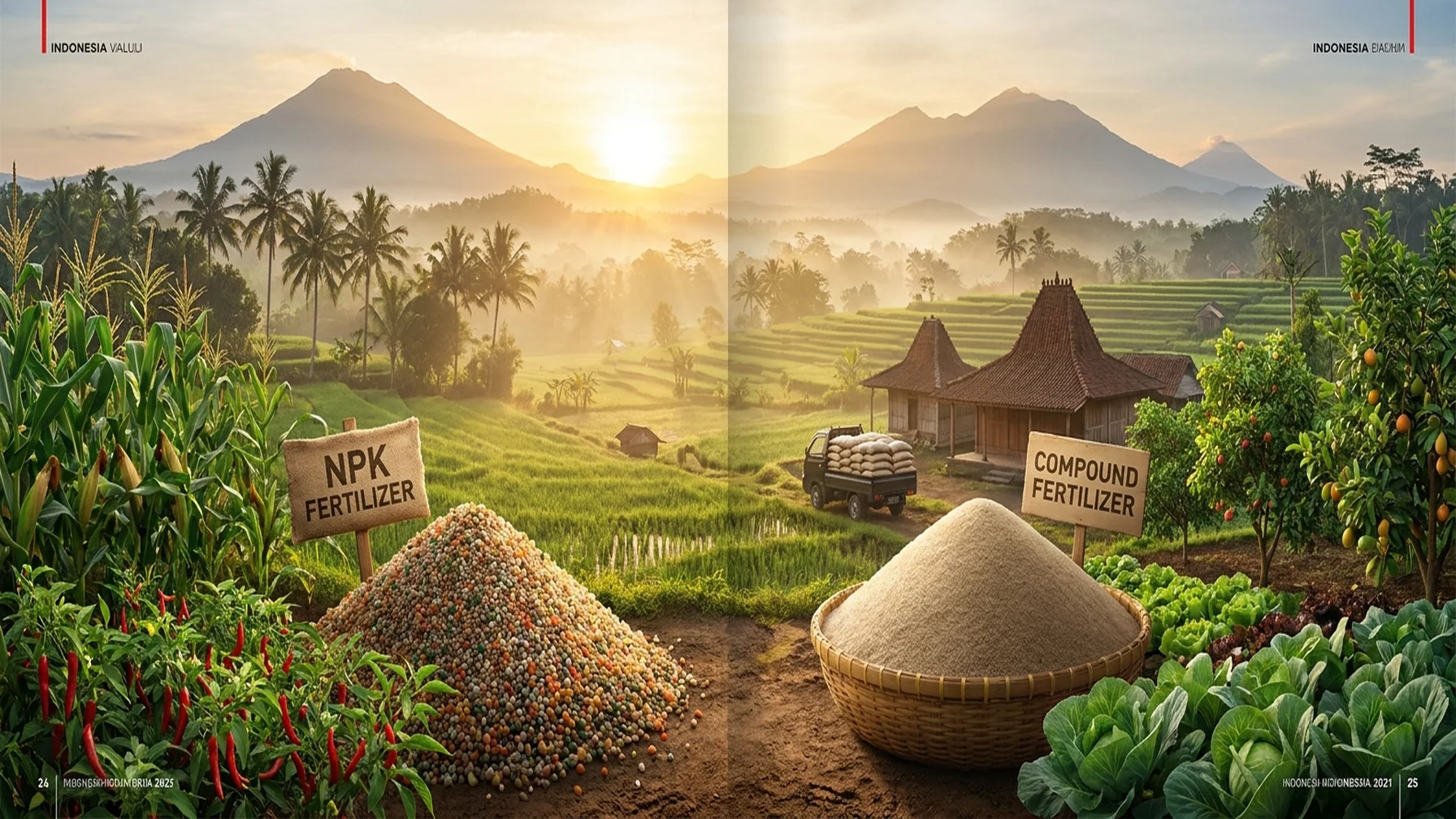
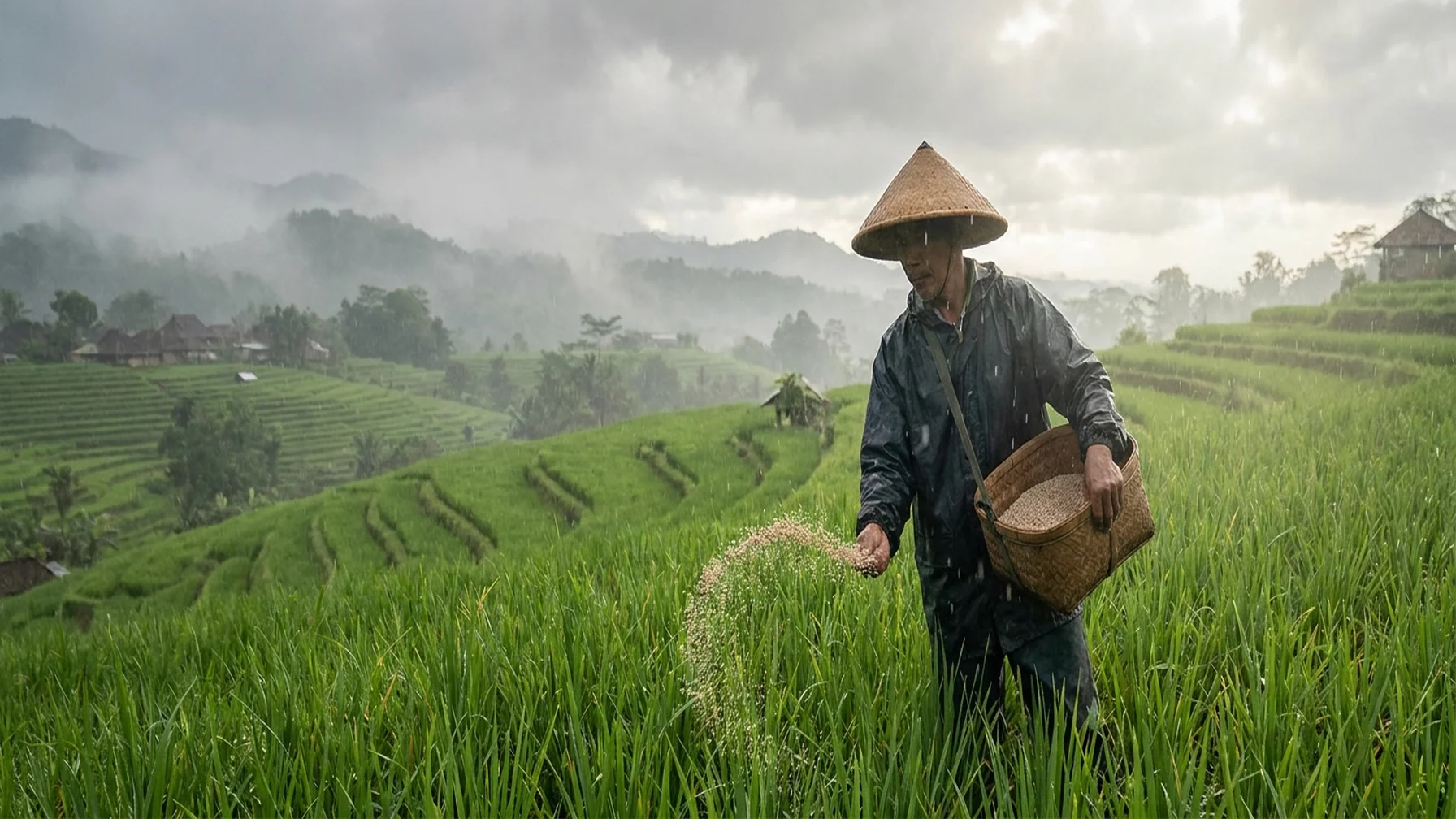
In Indonesia, the use of fertilizers is vital for enhancing crop yields. The primary types of fertilizers include urea, NPK (Nitrogen, Phosphorus, and Potassium), and organic fertilizers. Each plays a unique role in sustaining soil health and improving agricultural output. The challenge, however, lies in the equitable distribution of these inputs across the archipelago, where logistics can often hinder access.
Crop Protection: Safeguarding Our Harvests
Equally important is the role of crop protection solutions, which include pesticides, herbicides, and fungicides. These products are essential for combating pests and diseases that threaten crops. The B2B landscape for crop protection in Indonesia is evolving, with increased regulatory scrutiny and a push for sustainable practices, driving innovation in this space.
The Distribution Network: A Complex Web
The distribution of agricultural inputs in Indonesia is characterized by a complex network of suppliers, wholesalers, and retailers. Many farmers rely on local distributors who may not always have access to the latest products or technologies. This disconnect can lead to inefficiencies and reduced productivity.
Addressing the Gaps
In recent years, several firms have emerged to streamline the supply chain, offering digital platforms that connect manufacturers directly with farmers. These innovations not only enhance transparency but also empower farmers with the knowledge and resources they need to make informed decisions about their agricultural practices.
The Role of Technology
Technology is reshaping the landscape of agricultural inputs distribution. From e-commerce platforms to precision agriculture tools, advancements are providing farmers with unprecedented access to information and resources. This shift is crucial in optimizing resource use and increasing crop resilience against climate change.
Looking Ahead: Sustainability as a Focus
As Indonesia navigates the challenges of agricultural inputs distribution, sustainability must take center stage. With the government pushing for environmentally friendly practices, the industry is seeing a rise in organic fertilizers and biopesticides. The transition toward more sustainable solutions will not only benefit the environment but also enhance the market's competitiveness on a global scale.
Conclusion
The agricultural inputs distribution sector in Indonesia is at a pivotal juncture. With the right investments in technology, infrastructure, and sustainable practices, it has the potential to transform the agricultural landscape. As stakeholders collaborate to address the existing challenges, the future of Indonesia's agriculture looks promising, ensuring food security and prosperity for generations to come.

Budi Santoso
Deep diving into the details that matter. Uncovering the truth behind the stats.
View Articles