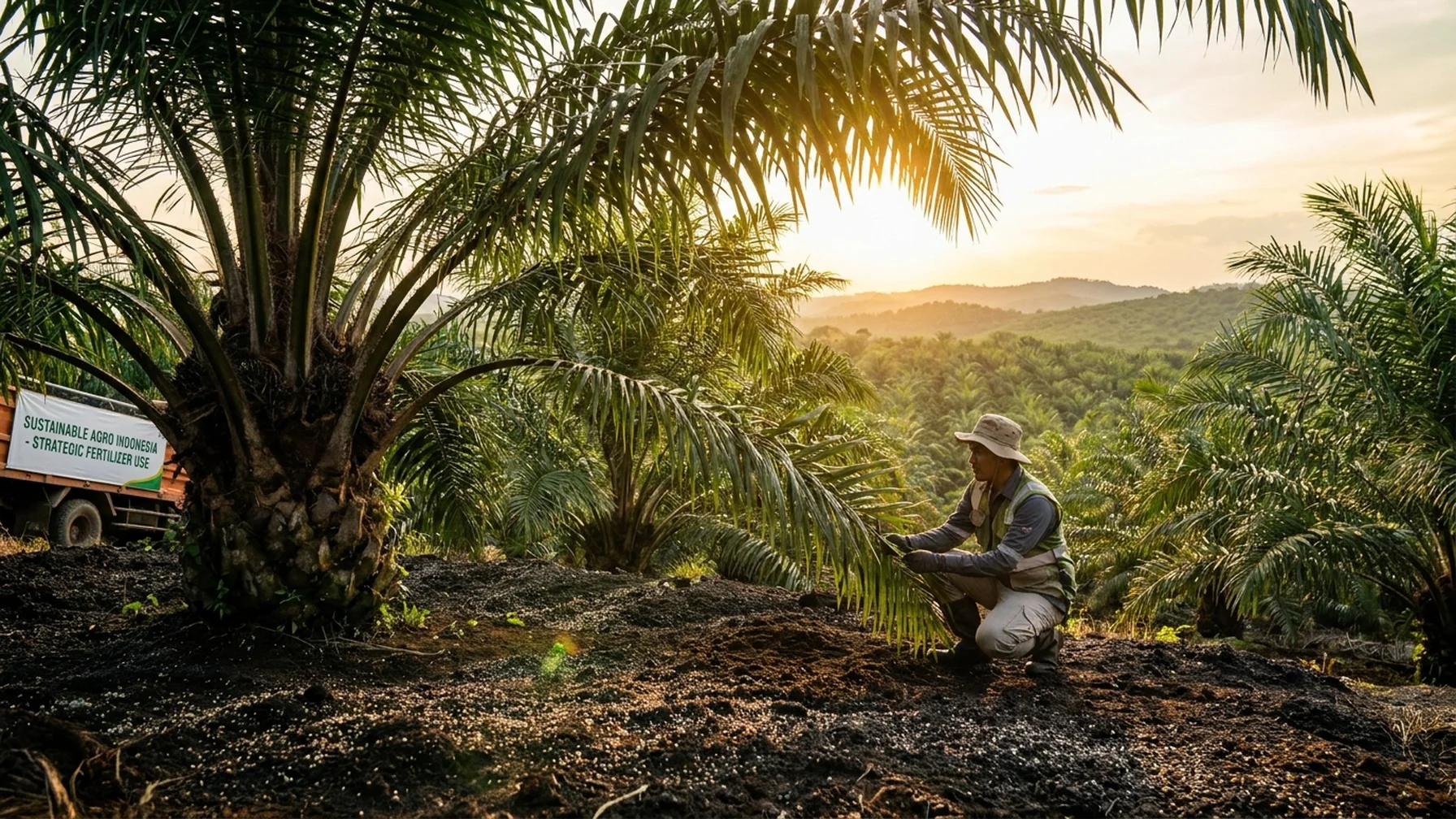
Understanding Symptoms of Potassium Deficiency in Plants.

Article Structure
Potassium is an essential macronutrient for plant growth, playing a crucial role in various physiological processes. Identifying symptoms of potassium deficiency in plants is vital for maintaining healthy crops, especially in the agricultural sector where maximizing yield is key. This guide will explore the distinct signs of potassium deficiency and offer some insights into effective solutions.
Key Signs of Potassium Deficiency in Plants
Potassium deficiency manifests through a range of symptoms that can vary in severity depending on the plant species and environmental conditions. Here are some common indicators:
- Leaf Discoloration: One of the earliest signs is yellowing of the leaf edges, known as chlorosis. This can evolve into browning, a condition called necrosis.
- Weak Stems: Plants with low potassium levels often develop weak stems, making them more susceptible to lodging, where plants fall over due to inadequate structural support.
- Poor Growth: Overall growth is stunted, and plants may appear smaller than usual.
- Reduced Yield: Fruit-bearing plants may produce smaller or fewer fruits, affecting the overall yield.
Identifying these symptoms early can significantly impact the effectiveness of corrective measures. Regular monitoring and soil testing are recommended to catch deficiencies before they affect crop production.
How Potassium Deficiency Affects Crops
Potassium is crucial for various plant functions, including enzyme activation, photosynthesis, and water regulation. A deficiency can lead to several issues:
- Reduced disease resistance, making plants more vulnerable to pests and diseases.
- Impaired photosynthesis, which limits the plant's ability to produce food.
- Decreased drought resistance due to poor water regulation.
Addressing potassium deficiency promptly is crucial to prevent these negative outcomes and ensure healthy plant development.
Solutions for Correcting Potassium Deficiency
Correcting potassium deficiency involves several strategies that can be implemented based on the specific needs of the crops:
- Soil Testing: Conduct regular soil tests to determine potassium levels and adjust fertilization practices accordingly.
- Use of NPK Fertilizers: Incorporate NPK fertilizers that contain a balanced amount of nitrogen, phosphorus, and potassium to replenish soil nutrients.
- Application of KCL Fertilizer: Potassium chloride (KCL) is an effective source of potassium and can be applied to quickly address deficiencies.
- Foliar Fertilization: Apply foliar fertilizers to provide a quick nutrient boost directly to the plant leaves, aiding in rapid absorption.
Each method has its advantages, and the choice will depend on factors such as the crop type, growth stage, and environmental conditions.
Preventing Potassium Deficiency
Prevention is always better than cure when it comes to nutrient management. Here are some steps to prevent potassium deficiency:
- Ensure balanced fertilization by using fertilizers with the correct NPK ratios.
- Rotate crops to improve soil health and prevent nutrient depletion.
- Implement soil amendment practices, such as adding organic matter, to enhance soil fertility.
- Monitor crop health regularly to detect early signs of deficiency.
Taking these proactive measures can help maintain optimal potassium levels and support robust plant growth.
The Role of Fertilizers in Nutrient Management
Fertilizers play a crucial role in maintaining soil fertility and ensuring that plants receive essential nutrients. Understanding the differences between various fertilizers and their applications is important for effective nutrient management:
- Urea vs. NPK Fertilizer: Urea primarily supplies nitrogen, while NPK fertilizers provide a balanced mix of nitrogen, phosphorus, and potassium.
- Organic vs. Chemical Fertilizers: Organic fertilizers release nutrients slowly and improve soil health, while chemical fertilizers offer immediate nutrient availability.
- Reading Fertilizer Labels: Understanding labels can help in selecting the right fertilizer based on nutrient content and plant needs.
Selecting the appropriate fertilizer type and application method is critical to preventing nutrient deficiencies and ensuring healthy crop growth.
Conclusion
Recognizing and addressing potassium deficiency in plants is essential for maintaining healthy crops and maximizing yields. By monitoring symptoms and applying appropriate fertilization strategies, farmers can prevent deficiencies and promote robust plant growth. Understanding the role of different fertilizers and how they can be used to manage nutrient levels is key to successful agricultural practices.