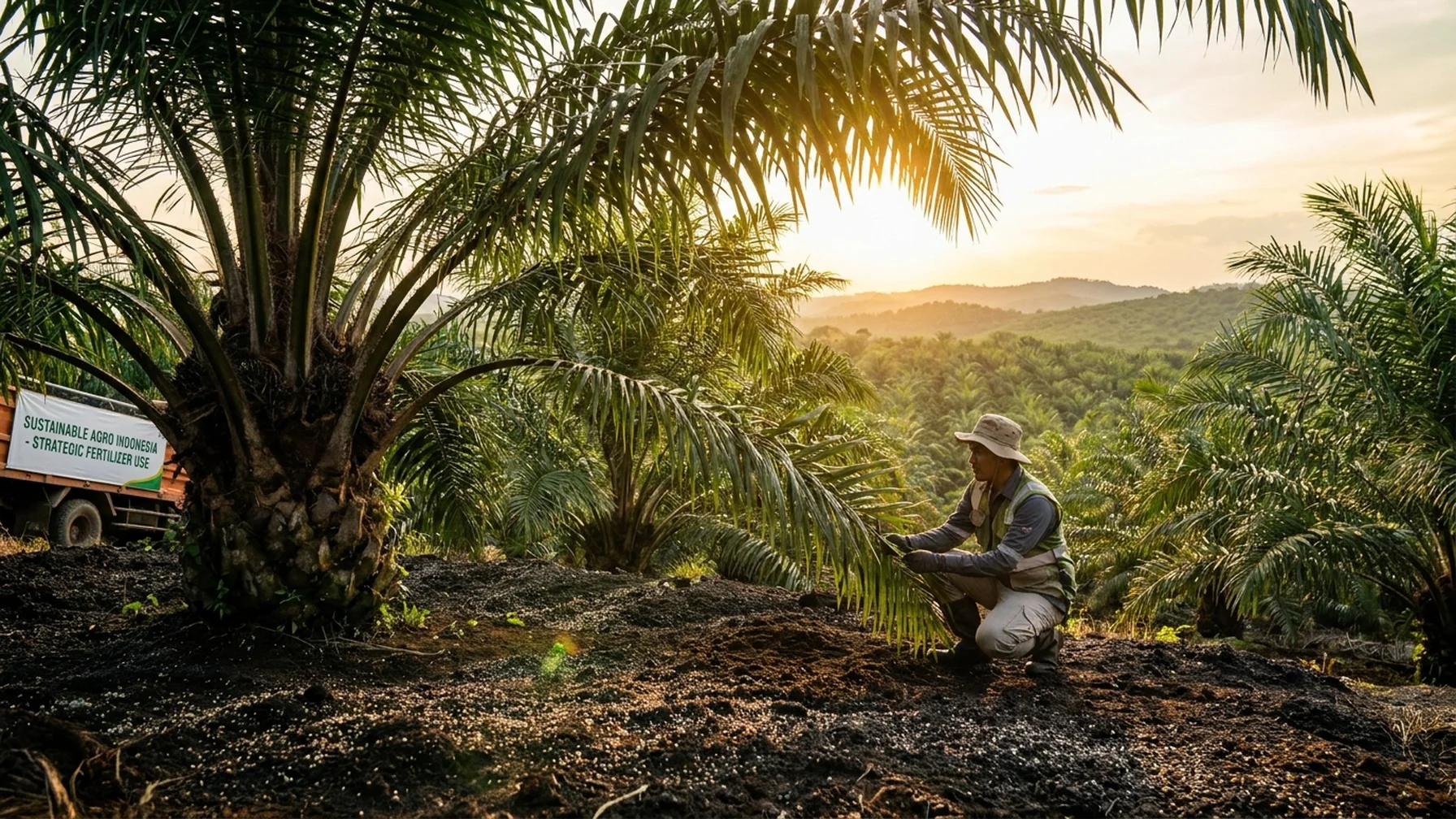
Using Borate in Coconut Farming: A Practical Guide.

Article Structure
Coconut farming is a vital agricultural activity, especially in tropical regions like Indonesia. To optimize growth and yield, understanding how to use borate effectively is essential. This guide will provide a step-by-step approach to using borate in coconut farming, highlighting its benefits and how to integrate it with other fertilizers and soil management practices.
Understanding Borate and Its Role in Agriculture
Borate is a compound that contains boron, an essential micronutrient for plant growth. In coconut farming, boron plays a crucial role in cell wall development, root growth, and pollination. It also helps in the uptake of other nutrients, ensuring balanced plant development. Without adequate boron, coconut palms may exhibit poor fruit set and reduced yield.
Benefits of Borate in Coconut Farming
- Improves flower and fruit development.
- Enhances root growth and nutrient uptake.
- Prevents nutrient deficiency symptoms.
- Increases resistance to diseases and environmental stress.
By integrating borate into your coconut farming practices, you can avoid common issues related to boron deficiency, such as hollow stems, leaf discoloration, and fruit drop.
How to Apply Borate in Coconut Farming
Applying borate correctly is crucial for maximizing its benefits. Follow these steps to ensure proper application:
- Soil Testing: Conduct a soil test to determine the current boron levels. This will help you decide the appropriate amount of borate needed.
- Choose the Right Form: Borate is available in various forms, such as borax and boric acid. Consult with a local agricultural expert to select the best type for your soil and crop conditions.
- Application Timing: The best time to apply borate is during the early growth stages. This ensures that the coconut palms have sufficient boron throughout their development.
- Mix with Other Fertilizers: Borate can be mixed with NPK (Nitrogen, Phosphorus, Potassium) fertilizers for a balanced nutrient supply. Ensure that the mixture is well-distributed to avoid uneven application.
- Monitor and Adjust: After application, monitor the coconut palms for signs of improvement or any adverse effects. Adjust the borate levels as needed based on plant response and subsequent soil tests.
Correct application of borate ensures that coconut palms receive the necessary nutrients for optimal growth and productivity.
Integrating Borate with Other Fertilizers
Combining borate with other fertilizers can enhance its effectiveness. NPK fertilizers are common in coconut farming, providing essential macronutrients. Urea, another popular fertilizer, is rich in nitrogen but lacks phosphorus and potassium, which are crucial for coconut growth. When using urea, supplement it with NPK fertilizers and borate to maintain nutrient balance.
Signs of Nutrient Deficiency in Coconuts
Recognizing nutrient deficiency symptoms can help in timely intervention. Common signs include:
- Yellowing leaves, indicating nitrogen or magnesium deficiency.
- Stunted growth, often linked to phosphorus deficiency.
- Brown leaf tips, a possible sign of potassium deficiency.
- Cracked fruits or poor fruit set, potentially due to boron deficiency.
Understanding these signs allows farmers to adjust their fertilization strategies and prevent yield loss.
Improving Soil Fertility for Coconut Farming
In addition to using borate, improving soil fertility is crucial for successful coconut farming. Here are some strategies:
- Organic Matter: Incorporate organic matter such as compost and manure to enhance soil structure and nutrient content.
- pH Management: Maintain a soil pH between 5.5 and 6.5, which is ideal for coconut growth. Lime can be used to neutralize acidic soils, while sulfur can help reduce alkalinity.
- Regular Fertilization: Develop a fertilization schedule that includes both macronutrients and micronutrients, adjusting based on soil tests and plant needs.
By focusing on soil health, farmers can create an environment conducive to robust coconut growth and higher yields.
Best Practices for Fertilizer Application
To ensure effective fertilizer use, follow these best practices:
- Read Fertilizer Labels: Understanding fertilizer labels helps in selecting the right products and applying them at the correct rates.
- Avoid Over-Fertilization: Excessive fertilizer can lead to nutrient runoff, environmental damage, and plant stress.
- Use Foliar Fertilizers: Foliar applications can quickly address nutrient deficiencies, providing immediate relief to stressed plants.
- Integrated Pest Management: Combine fertilization with pest management strategies to protect crops and enhance growth.
Adopting these practices ensures that fertilizers are used efficiently, enhancing coconut yield and quality.
Conclusion: The Impact of Borate on Coconut Yield
Using borate in coconut farming is a strategic approach to improving plant health and yield. By understanding its role and integrating it with other fertilizers and soil management practices, farmers can ensure that their coconut palms thrive. Regular monitoring and adjusting fertilization strategies based on plant response and soil conditions will lead to sustainable and productive coconut farming.