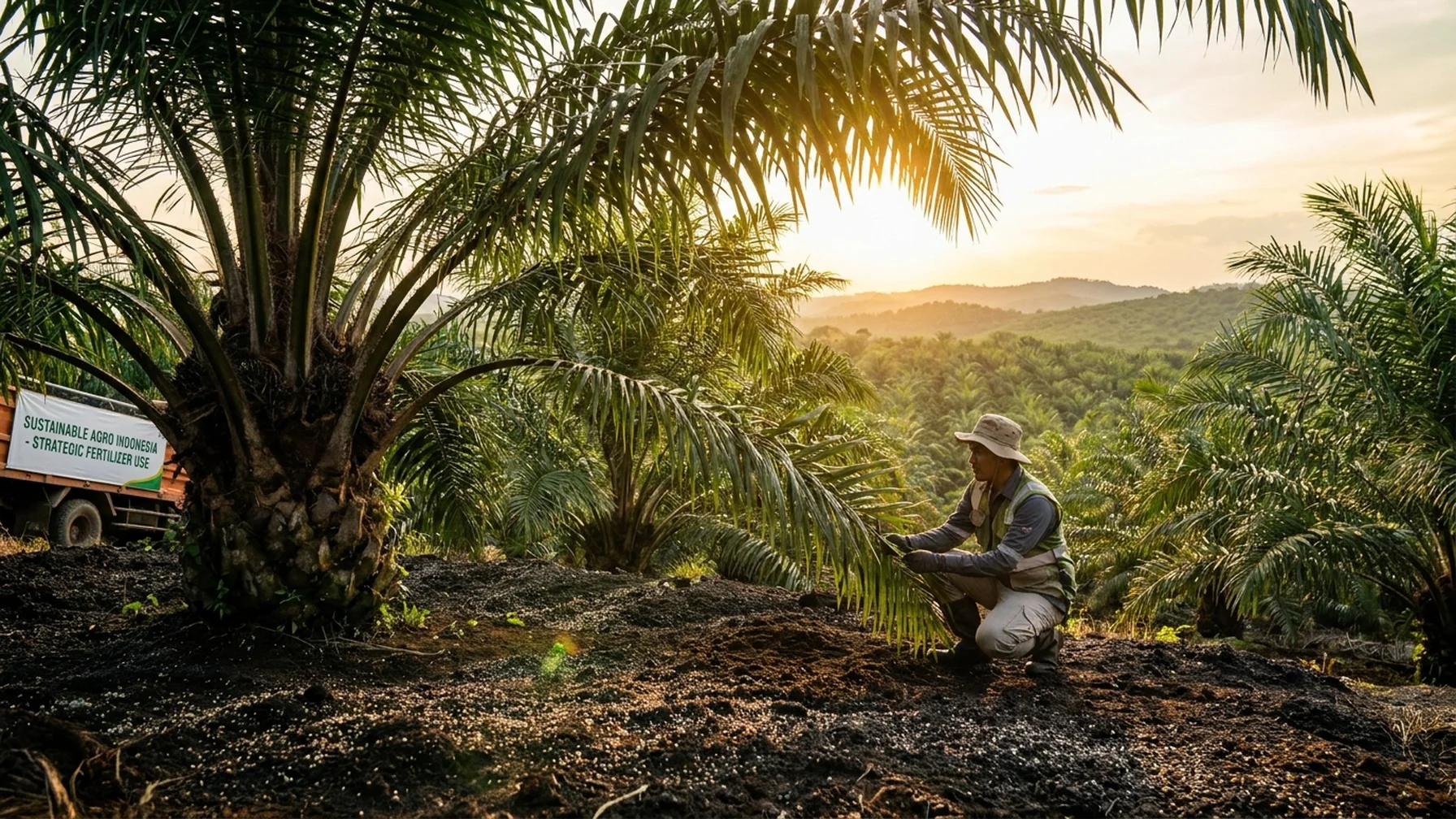
Understanding Foliar Feeding Benefits.

Article Structure
In modern agriculture, understanding foliar feeding benefits is essential for maximizing crop health and yields. Foliar feeding, the practice of applying liquid fertilizers directly to plant leaves, allows for rapid nutrient uptake. This method bypasses the soil, providing nutrients straight to the plant's system. It has become increasingly popular among farmers looking to improve crop resilience and address nutrient deficiencies swiftly. By exploring the advantages, applications, and best practices of foliar feeding, farmers can make informed decisions that enhance their farming operations.
What is Foliar Fertilizer?
Foliar fertilizer is a liquid nutrient solution sprayed directly onto plant leaves. This delivery system allows plants to absorb essential nutrients directly through their foliage. Foliar feeding is particularly effective for micronutrients such as borate, zinc, and iron, which are vital for plant development and growth. For instance, in vineyards, foliar applications of magnesium and boron can significantly enhance grape quality and yield.
Key Benefits of Foliar Feeding
- Quick Nutrient Absorption: Nutrients are absorbed faster through leaves than roots, which is beneficial during critical growth stages.
- Improved Nutrient Efficiency: Direct application reduces nutrient loss in the soil, ensuring that plants get the maximum benefit from applied fertilizers.
- Stress Reduction: Helps plants recover from stress conditions like drought or pest attack by quickly supplying essential nutrients.
- Corrects Deficiencies: Quickly addresses signs of nutrient deficiency such as yellowing leaves, ensuring healthy plant growth.
Consider a scenario where a corn farmer notices yellowing leaves mid-season. By applying a foliar spray rich in nitrogen, the farmer can quickly correct the deficiency, improving plant vigor and yield potential.
When to Apply Foliar Feeding
The timing of foliar feeding is crucial for its success. The best time to apply foliar fertilizer is during the cooler parts of the day, such as early morning or late afternoon. This timing prevents the fertilizer from evaporating quickly and ensures effective absorption by the plant leaves. For example, a tomato grower might choose to apply foliar nutrients in the early morning to avoid the afternoon heat, which can cause rapid evaporation and reduced efficacy.
How Foliar Feeding Fits into Integrated Pest Management
Foliar feeding can complement integrated pest management (IPM) strategies by enhancing plant health and making them less susceptible to pest infestations. Healthier plants are more resilient, reducing the need for extensive pesticide use. For instance, a farmer practicing IPM might use foliar feeding to strengthen plants' natural defenses, reducing the frequency of chemical pesticide applications.
Comparison: Foliar Feeding vs. Soil Fertilization
Both foliar feeding and soil fertilization have distinct advantages and serve different purposes. Soil fertilization provides a sustained nutrient supply, especially for macronutrients like nitrogen, phosphorus, and potassium (NPK). In contrast, foliar feeding offers quick fixes for immediate nutrient needs and is ideal for micronutrient supplementation. Here is a detailed comparison:
Comparison Table: Foliar Feeding vs. Soil Fertilization
| Aspect | Foliar Feeding | Soil Fertilization |
|---|---|---|
| Nutrient Absorption Speed | Fast | Slow |
| Application Frequency | As needed for correction | Regularly scheduled |
| Efficiency in Poor Soils | High | Variable |
| Cost | Potentially higher per application | Spread over time |
| Environmental Impact | Lower risk of runoff | Risk of leaching and runoff |
Farmers should consider their specific needs and conditions to choose the appropriate method or combination of methods for their crops.
Choosing the Right Fertilizer for Foliar Feeding
Selecting the right fertilizer for foliar application is crucial. Consider the following factors:
- Crop Type: Different crops have varying nutrient requirements. For example, leafy greens like lettuce require different nutrients than fruiting plants like tomatoes.
- Growth Stage: Nutrient needs may change as plants grow. Young plants might need different nutrients than mature ones.
- Existing Soil Conditions: Knowledge of soil pH and existing nutrient levels can guide fertilization strategies. Testing the soil can help tailor foliar applications to supplement specific deficiencies.
For instance, a farmer growing lettuce may focus on foliar applications of calcium to prevent tip burn and ensure high-quality produce.
Practical Tips for Effective Foliar Feeding
For successful foliar feeding, follow these practical tips:
- Use Proper Equipment: Employ a fine mist sprayer for even application, ensuring uniform coverage of leaves.
- Choose the Right Time: Apply in the morning or evening when temperatures are cooler to maximize absorption and minimize evaporation.
- Monitor Weather Conditions: Avoid application before rain or during windy conditions, which can wash away or disperse the nutrients.
- Read Labels Carefully: Ensure correct dilution rates and application frequency to avoid over-fertilization, which can damage plant tissues.
By adhering to these guidelines, farmers can maximize the effectiveness of foliar feeding and boost crop productivity.
Common Mistakes and How to Avoid Them
While foliar feeding is beneficial, common mistakes can reduce its effectiveness. Here are some pitfalls and solutions:
- Over-Application: Applying too much fertilizer can lead to leaf burn. Always follow label instructions and consider conducting a patch test on a small area before full application.
- Ignoring Weather: Applying during windy or rainy conditions can lead to nutrient loss. Check the weather forecast and plan applications accordingly.
- Wrong Nutrient Mix: Using an incorrect nutrient mix can exacerbate plant problems. Tailor nutrient solutions to specific crop needs and deficiencies.
For example, a farmer who applied too much foliar fertilizer during a windy day noticed that the spray drifted, affecting neighboring crops. By waiting for calmer weather, such issues can be mitigated, ensuring that the nutrients reach the intended plants effectively.
Conclusion: Enhancing Crop Health with Foliar Feeding
Understanding foliar feeding benefits allows farmers to enhance crop health effectively. By providing essential nutrients directly to plant leaves, this method offers quick absorption and correction of nutrient deficiencies. When integrated with other agricultural practices, foliar feeding can significantly contribute to improved crop yields and sustainable farming practices. For instance, integrating foliar feeding with soil amendments and IPM strategies can create a holistic approach to plant health, ensuring robust and resilient crops.